






















Deaf and hard-of-hearing access
ASL interpreting and CART captioning that put everyone in the conversation
Sign language interpreters, Certified Deaf Interpreters, trilingual ASL–Spanish interpreters, DeafBlind interpreting, and real-time CART captioning for employers, government agencies, healthcare, schools, and events. On site, by video, or remote, nationwide, scheduled by a desk that never closes.
- 3,100+ASL interpreters and CART captionersScreened, tested, and certified, in all 50 states, D.C., Puerto Rico, and Guam
- 98%+Requests filledIncluding rush, late-night, holiday, and weekend assignments
- 24/7/365Scheduling deskStaffed in part by Deaf and CODA schedulers
- 200+ wpmCART at 99%+ accuracyWord-for-word captions, with bursts up to 250 words per minute
Our standard
Access starts before the first word
An interpreter who walks in at nine o’clock for a nine o’clock meeting is already late. Our interpreters and captioners arrive early, test everything, and stay to the last minute.
- 7:30
T – 90 min
Remote CART
The captioner joins the platform and tests the caption feed with your host.
- 8:00
T – 60 min
On-site CART
The captioner sets up the stenotype, software, and screen or device display.
- 8:30
T – 30 min
Interpreters
Interpreters arrive, meet the Deaf participants, and review names, slides, and terms.
- 9:00
T – 0
Session starts
Everyone in the room, or on the call, follows every word.
- After
T + 8 hrs
Transcript
CART transcripts are typically delivered within 8 working hours, never later than 24.
If a firewall or platform blocks a caption link, our team switches to a backup platform within minutes, so the session goes on.
Services
Every way people communicate, matched to the person
Deaf and hard-of-hearing people do not all communicate the same way. We ask, and we match the interpreter or captioner to the individual, not just the event.
One message
“The vote moves to 2 p.m. Bring your questions.”
Three people in the room. Three ways to receive it. We book the one each person needs.
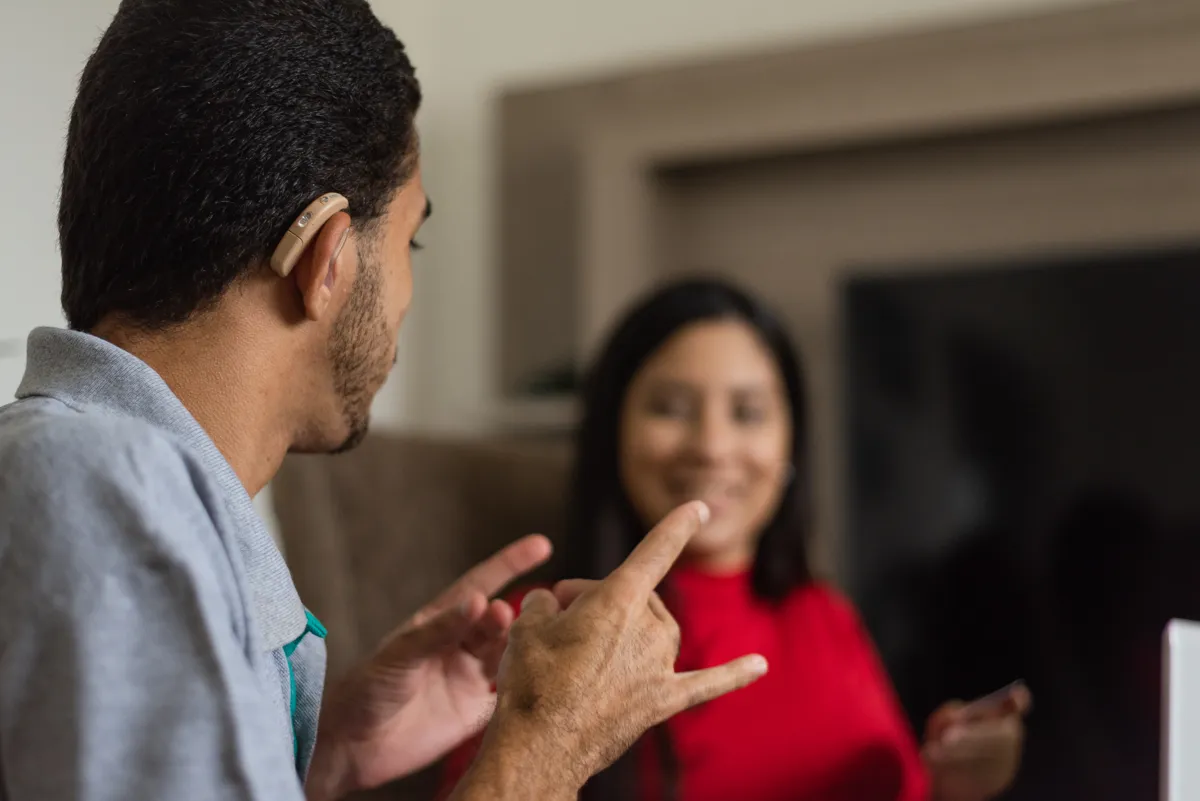 Seen in sign
Sign
For people who see language
- ASLAmerican Sign Language
- CDICertified Deaf Interpreters
- SEEContact sign and Signed English
- SC:LLegal interpreting
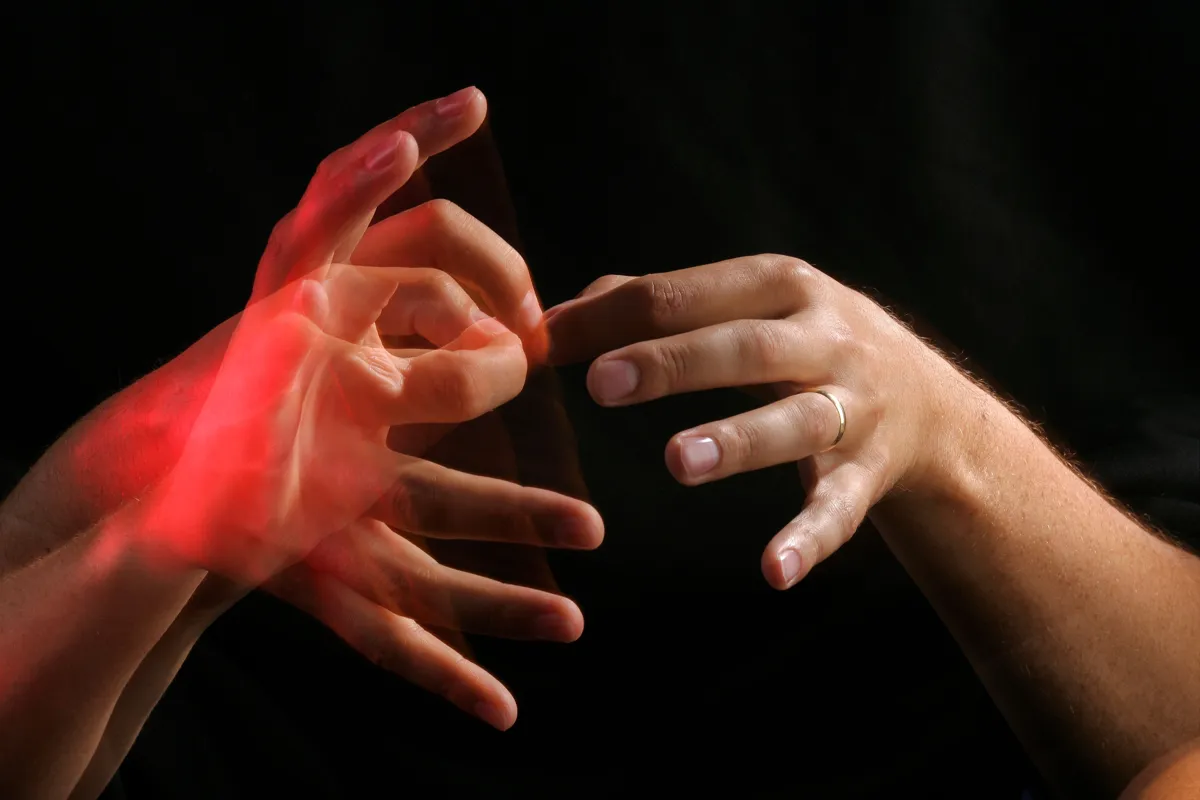 Felt through touch
Touch
For DeafBlind and low-vision participants
- PTPro-Tactile and tactile
- CVClose vision
- CSCued Speech
- OTOral transliteration
Text
For people who read the room
- CARTOn-site CART
- rCARTRemote CART
- TXTSession transcripts
- VRIVideo remote interpreting
Also from the same team
- Trilingual interpretingASL, Spanish, and English from one interpreter, for families, courts, clinics, and public services.
- ASL translationPolicies, onboarding, safety briefings, and public notices translated into signed ASL video.
Qualifications
Certified, tested, then trusted
Credentials are where we start, not where we stop. Every interpreter and captioner passes the same five-step screening before their first assignment.
Recruit
From professional networks and Deaf education programs, including Gallaudet University.
Sample
Applicants submit a signing video or CART work samples.
Test
Proficiency, timed steno speed and endurance, scenario, and ethics tests.
Verify
Interviews, reference checks, credential verification, and a background check.
Onboard
Training on our standards, codes of conduct, and client procedures.
Credentials and standards Held or met by every interpreter and captioner we send, as the assignment requires
- RID National Interpreter Certification
- Certified Deaf Interpreter
- Specialist Certificate: Legal
- NCRA captioning certifications
- RID-NAD Code of Professional Conduct
- NCRA Code of Professional Ethics
- At least 3 years of interpreting or CART experience
- Cleared interpreters for sensitive federal work
CART captioning
Every word, in real time
Communication Access Realtime Translation (CART) gives Deaf and hard-of-hearing participants a word-for-word text display of everything said, as it is said. Our captioners write on stenotype machines with specialized software, not automatic speech recognition.
- 200+words per minute, with bursts up to 250
- 99%+accuracy on every session
- 8 hrstypical transcript delivery, never over 24
Captions appear on a projected screen or on each participant’s own device. Transcripts are delivered in Word, and working copies are securely deleted afterward.
[Moderator] Thank you all for joining. We will take questions at the end of each section.
[Speaker 1] The first update covers the new benefits enrollment window, which opens on the fifteenth.
[Speaker 1] If you have questions about eligibility, the resource team will stay online after the meeting.
[Audience member] Will the recording include captions
Scheduling
A scheduling desk that never closes
Request an interpreter or captioner any hour of any day, by phone, text, email, or our secure uSked™ scheduling portal. Many of our schedulers are Deaf or CODAs, so they understand what a good match looks like.
- Your preferred interpreters, first. Name the interpreters your staff trust, rank your backups, and we schedule them first.
- Rush requests welcome. Next-morning and same-day requests are routinely filled, often within hours.
- Every request confirmed. You get immediate confirmation and live status, with meeting links sent automatically.
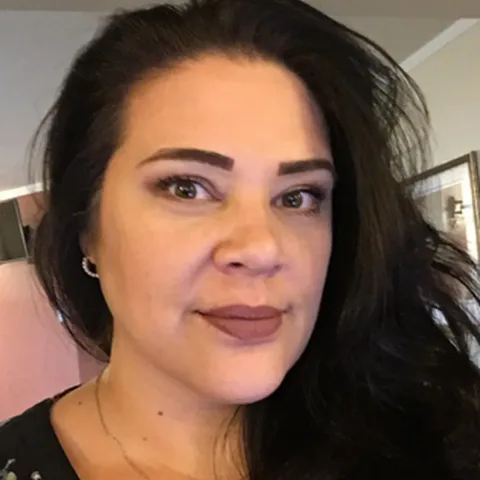 Catherine DiazDirector of CART and Captioning Services
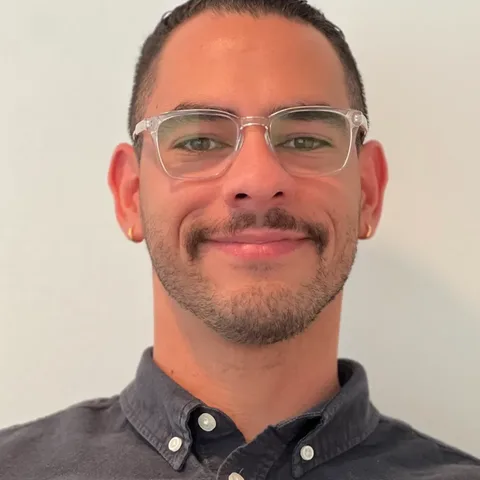 Luis Torres-MuñozCertified ASL Staff Interpreter and Scheduling Team Manager
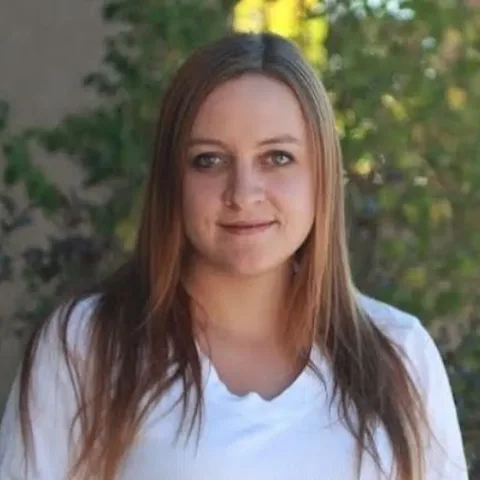 Rebecca CornellScheduling Team Manager
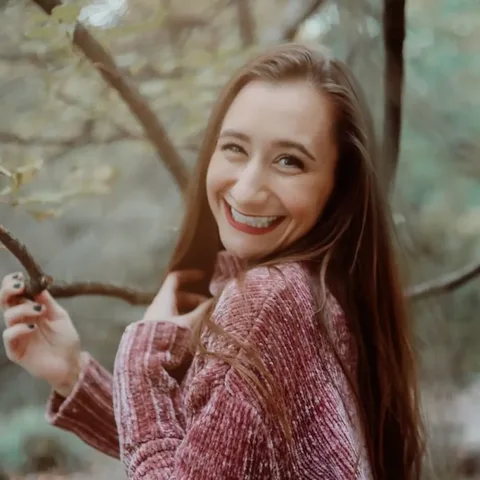 Melissa HalversonASL and CART Scheduler
 Emma NewcityASL and CART Scheduler
 Jennifer SmithASL Scheduler
 Tenja SmithASL Scheduler
 Serafina PaladinoSecurity Specialist
Settings
Wherever the conversation happens
From the boardroom to the courtroom, our interpreters and captioners know the setting and its vocabulary.
Workplace
Meetings, trainings, reviews, and all-hands, so Deaf employees take part fully.
Government
Public meetings, hearings, and agency services, with cleared interpreters for sensitive government work.
Healthcare
Appointments, consent, and care conversations. Tell us about immunization, attire, or behavioral-health requirements, and the interpreter arrives prepared.
Education
Classrooms, lectures, and campus events, with interpreters and CART for students.
Legal
Depositions, hearings, and attorney meetings with legally credentialed interpreters.
Events
Conferences, galas, and hybrid events, on stage, on screen, and online.
As a CART provider for over 15 years, I have worked with several interpreting companies. Translation Excellence stands out as truly the best of the best. The staff is friendly, honest, professional, and easy to work with.
Client results
Trusted by federal agencies at national scale
Federal agencies rely on us for nationwide sign language and CART programs, with cleared interpreters for sensitive work and Exceptional performance ratings.
- 100,000+hours of sign language interpreting per year
- 10,000+hours of CART captioning per year
- 50 statesplus D.C., Puerto Rico, and Guam
- Exceptionalfederal performance ratings
-
 Government and defense
 United States Internal Revenue Service
We were awarded the contract to provide ASL and CART services to the IRS at the height of the COVID-19 pandemic, during strict stay-at-home… Read the case study -
 Energy and environment
 U.S. Nuclear Regulatory Commission
We provided professional American Sign Language (ASL) interpretation services, both on-site and remotely, to facilitate communication and training for D/HH employees. Read the case study -
 Government and defense
 FDA
To successfully complete this complex task, we assembled a team of highly skilled linguists with expertise in various Polish dialects and English. Read the case study
Request services
Tell us who will be in the room. We’ll match the right person.
Share the date, setting, and how the Deaf or hard-of-hearing participants communicate. We confirm right away and match an interpreter or captioner to the person and the subject.
Not sure what to request? Ask the participant how they prefer to communicate. If they are not sure, we will help you work it out.
Book the whole visit, not just the appointment. A 20-minute exam also means check-in, intake, tests, and waiting. Book the interpreter for all of it, so nobody is left without access halfway through.
Accessibility requestExample details
- Event
- Quarterly all-hands meeting
- Length
- 2 hours, on site and streamed
Related services
More ways to make every event accessible
One team for interpreting, captioning, and translation.
FAQ
Deaf and hard-of-hearing access questions, answered
Don’t see your question? A language specialist can answer it in one call.
Talk to a specialist
Get a straight answer
Tell us what you need translated or interpreted, and we’ll scope it with you.
Meet one-on-one with a language services expert, at a time that suits you.
What is CART captioning?
CART, or Communication Access Realtime Translation, is live, word-for-word captioning of everything said in a meeting, class, or event. A trained captioner writes on a stenotype machine with specialized software, and the text appears on a screen or on each participant’s device within seconds. It is written by a person, not generated by automatic speech recognition.
What is the difference between CART and closed captioning?
CART is real-time captioning for live meetings and events, delivered to the people in the room or on the call. Closed captions are usually added to recorded video or broadcasts. Many organizations need both: CART during the event and captions or a transcript for the recording.
Are your sign language interpreters certified?
Yes. Our interpreters hold national certification from the Registry of Interpreters for the Deaf (RID), including the National Interpreter Certification, and legal assignments use interpreters with the Specialist Certificate: Legal. Every interpreter and captioner also passes our own skills, ethics, and background screening and has at least three years of professional experience.
What is a Certified Deaf Interpreter, and when do I need one?
A Certified Deaf Interpreter (CDI) is a Deaf interpreter who works as a team with a hearing interpreter. Before the session, the CDI meets the Deaf participant to understand how they communicate. During it, the hearing interpreter conveys the message and the CDI shapes it into the signing that person understands best. CDIs are recommended when a Deaf participant uses a regional or nonstandard sign language, has limited language skills, is a child, or is in a high-stakes or emotionally difficult situation such as a medical, legal, or disciplinary meeting.
Do you provide interpreters for DeafBlind people?
Yes. We provide Pro-Tactile, tactile, and close vision interpreters, matched to how each DeafBlind person communicates. Let us know the person’s preferences when you request services, and we will plan the interpreter team and seating with you.
When do I need two interpreters?
Sign language interpreting is physically and mentally demanding. For assignments longer than about an hour, or for fast-paced or complex sessions, two interpreters share the work so accuracy holds from start to finish. We recommend the right team size when you book.
How far in advance should I request an interpreter or captioner?
As early as you can, especially for multi-day events, specialized modes, or legal assignments. Our scheduling desk works around the clock, and short-notice and same-day requests are routinely filled. Request through our portal, by phone, text, or email, and you will get immediate confirmation.
Can ASL interpreting and CART be provided remotely?
Yes. ASL interpreters can join by video through Zoom, Microsoft Teams, or a tablet, and CART captioners can stream real-time captions to any internet-connected device. Remote services work well for virtual meetings, hybrid events, and locations where on-site providers are hard to reach.
Should I schedule video interpreting or use it on demand?
Schedule it whenever you know the meeting is coming. A scheduled interpreter is chosen for the subject, receives your agenda and materials in advance, can be one of your preferred interpreters, and is teamed for long sessions. On-demand video interpreting connects you with the next available interpreter in minutes, which suits walk-ins, urgent conversations, and short exchanges.
Who is responsible for providing interpreters under the ADA?
Under the Americans with Disabilities Act and Section 504 of the Rehabilitation Act, employers, government agencies, healthcare providers, and businesses open to the public generally must provide effective communication, including qualified interpreters or captioning, at no cost to the Deaf or hard-of-hearing person. Requirements depend on your organization, so check with your counsel or compliance team.
How quickly do I receive a CART transcript?
CART transcripts are typically delivered within 8 working hours of the session and never later than 24 hours. Transcripts are provided in Word, and our working copies are securely deleted afterward.
Can we use free Video Relay Service (VRS) instead of hiring an interpreter?
No. Video Relay Service is a free, FCC-funded phone service for Deaf people who use ASL, and its rules require the Deaf caller, the hearing caller, and the interpreter to be in different locations. It cannot be used for in-person meetings, appointments, or events, where the employer, agency, or provider is responsible for arranging interpreting. For those, book an on-site interpreter or video remote interpreting (VRI).
Is there a minimum booking time for on-site interpreters?
Yes. On-site assignments carry a minimum booking time, because interpreters travel between assignments and cannot fill short gaps in a day. The minimum is shown on your quote before you confirm, with no surprises on the invoice. For short conversations, video remote interpreting is often the better value.
Do you provide trilingual ASL, Spanish, and English interpreters?
Yes. Trilingual interpreters work between ASL, Spanish, and English in the same session, which is common when a Deaf participant’s family speaks Spanish, and in courts, clinics, schools, and public services. Tell us which languages each participant uses when you book.
Can you translate written content into ASL?
Yes. Our ASL translation service turns policies, onboarding materials, safety briefings, and public notices into signed ASL video, so Deaf employees and community members get the information in their first language, not only in written English.
Can your interpreters work on sensitive government assignments?
Yes. Every interpreter and captioner is background-checked and bound by a confidentiality agreement, and security-cleared interpreters are available for sensitive and classified government assignments.
Tell us what’s at stake. We’ll show you how we’d handle it.
Send your files or describe your event. A language specialist replies with a fixed quote and a delivery date, with no obligation.
Prefer to call? 720-325-0459